Multimodal AI 2026: How AI Simultaneously Sees, Hears, and Understands
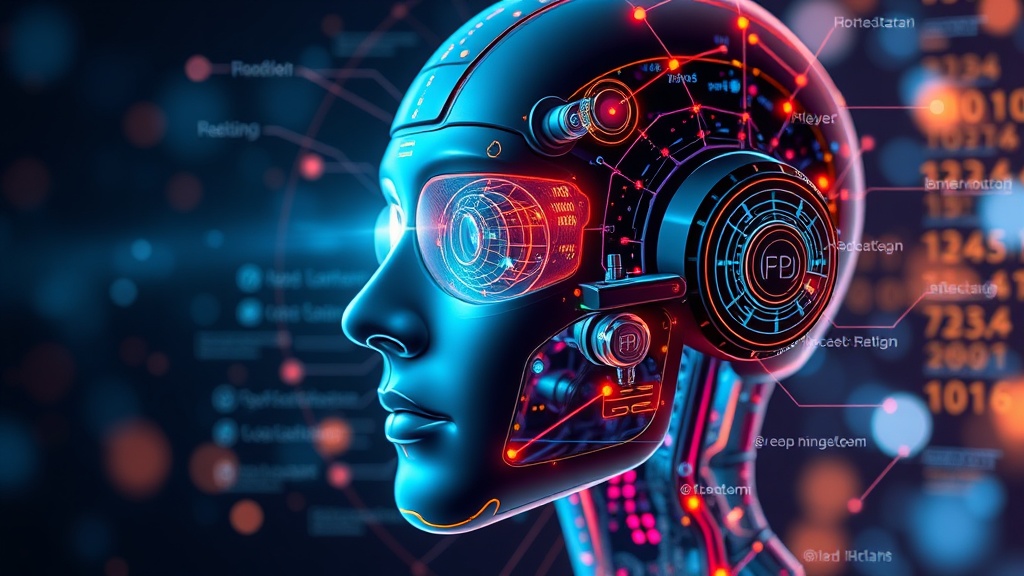
Modern artificial intelligence systems have reached an impressive level in processing individual types of data—be it text, images, or sound. However, a real breakthrough came with the development of multimodal AI (Multimodal AI) models, which can simultaneously perceive and analyze information of different types, much like the human brain.
In 2026, multimodal systems have become an integral part of advanced AI solutions. They allow artificial intelligence to not only process text, images, video, and sound separately, but also to understand the complex relationships between them, creating a deeper and more contextual perception of information.
Let's explore how multimodal models work, where they are used today, and what prospects they open up for the development of artificial intelligence.
What is Multimodal AI
Multimodal AI refers to artificial intelligence systems that can simultaneously work with several types of input data (modalities):
- Text
- Images
- Video
- Audio
- Sensory data
- Structured data
The main advantage of such systems is the ability to create a holistic understanding of the context by combining information from different sources, much like the human brain does.
How Multimodal Models Work
Architecture of Multimodal Systems
Modern multimodal models are built on a complex architecture that includes several key components:
- Encoders for each data type
- Fusion layer to combine different modalities
- Transformer architecture to process relationships between modalities
- Decoders for generating output data
Here is an example of a simplified architecture of a multimodal model:
class MultimodalModel(nn.Module):
    def __init__(self):
        super().__init__()
        self.text_encoder = TextEncoder()
        self.image_encoder = ImageEncoder()
        self.audio_encoder = AudioEncoder()

        self.fusion_layer = MultimodalFusion()
        self.transformer = TransformerBlock()
        self.decoder = MultimodalDecoder()

    def forward(self, text, image, audio):
        text_features = self.text_encoder(text)
        image_features = self.image_encoder(image)
        audio_features = self.audio_encoder(audio)

        fused_features = self.fusion_layer(
            text_features,
            image_features,
            audio_features
        )

        transformed = self.transformer(fused_features)
        output = self.decoder(transformed)

        return output
Data Processing Workflow
Information processing in multimodal systems occurs in several stages:
- Parallel encoding of input data of different types
- Extraction of key features for each modality
- Combining features into a unified representation
- Analyzing relationships between modalities
- Generating the result, considering all input data
Applications of Multimodal AI in 2026
Medicine and Healthcare
- Analyzing medical images along with medical history
- Diagnostics based on visual, audio, and text data
- Monitoring patients' condition using various sensors
Autonomous Transportation
- Comprehensive perception of the environment
- Processing data from cameras, lidars, and sensors
- Understanding road signs and voice commands
Virtual Assistants
- Natural communication with the user
- Understanding context through different perception channels
- Generating multimodal content
Security and Surveillance
- Comprehensive analysis of video and audio data
- Recognition of potential threats
- Integration of various monitoring systems
Advantages and Opportunities
-
Improved Context Understanding
- More accurate interpretation of situations
- Reduction of errors
- Consideration of implicit relationships
-
Natural Interaction
- Multi-channel communication
- Adaptation to user preferences
- Intuitive interface
-
Expanded Analytical Capabilities
- Complex data processing
- Identification of hidden patterns
- More accurate predictions
Challenges and Limitations
Technical Difficulties
- High demands on computing resources
- Difficulty in training on heterogeneous data
- The need for a large amount of high-quality data
Ethical considerations
- Confidentiality of personal data
- Transparency of decision-making
- Potential risks of abuse
Learn More About AI First
Subscribe to our Telegram channel ITOQ AI — where we publish:
- 🤖 News about new AI models
- 💡 Life hacks and prompts for neural networks
- 🎨 Examples of image generation
- 🔥 Exclusive promotions and promo codes
Try ITOQ AI for free — access to ChatGPT, Claude 4, Gemini 2.5, and FLUX image generation without a VPN.
Conclusion
Multimodal AI systems represent the next stage in the evolution of artificial intelligence. In 2026, this technology has already proven its effectiveness in various applications and continues to actively develop. The ability to simultaneously process different types of data opens up new opportunities for creating more advanced AI systems that can better understand and interact with the surrounding world.
As technologies develop and existing problems are solved, multimodal systems will become more and more advanced and find new applications. This makes Multimodal AI one of the most promising areas of artificial intelligence development in the near future.
🤖 ITOQ AI Telegram Channel
AI news, tips, prompts and exclusive offers — subscribe to stay updated!
- Reviews of new AI models
- Prompts and tips for neural networks
- FLUX image generation examples
- Promo codes and special offers